
Watani: Agroforestry System
Overview
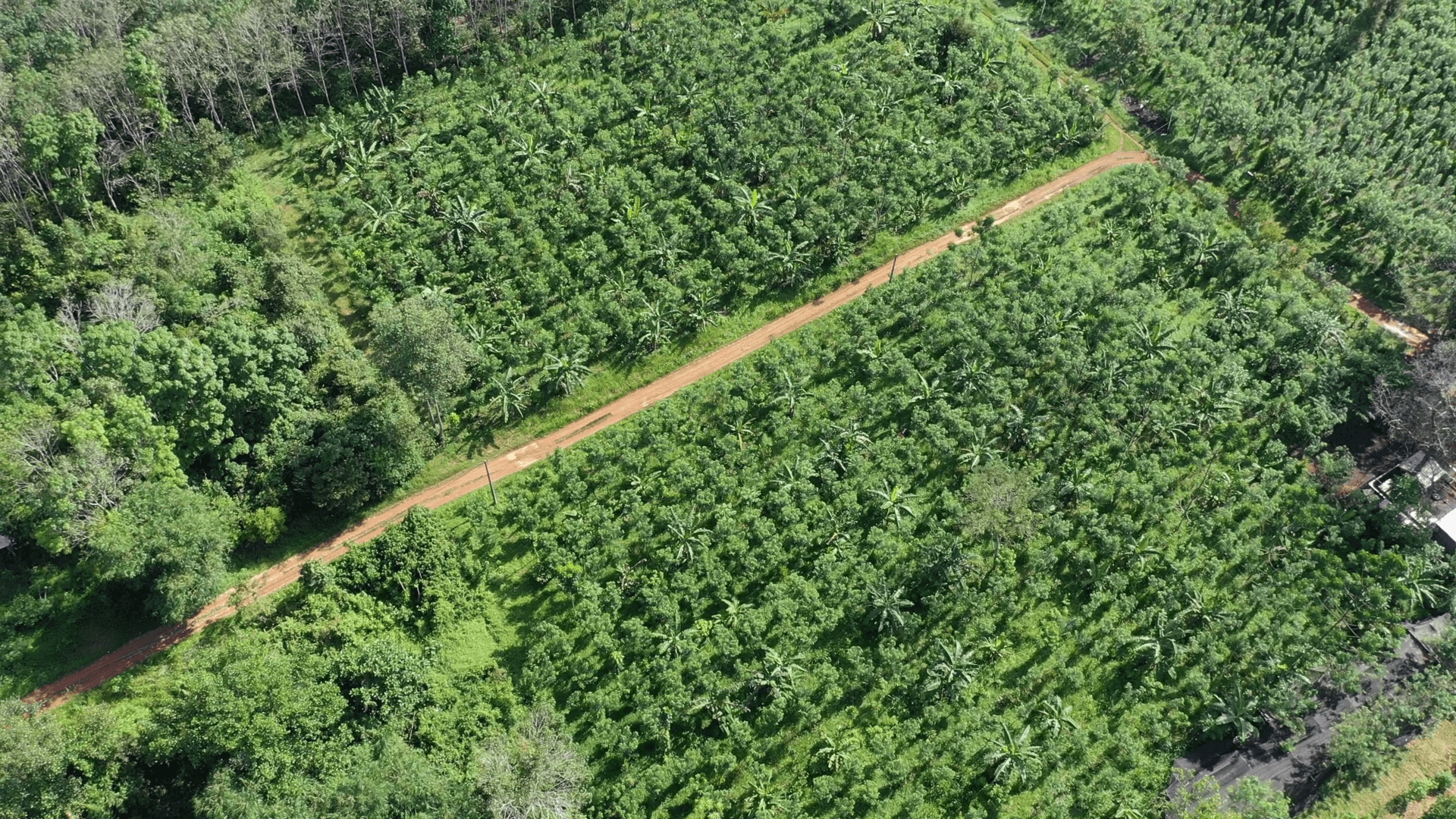
Watani (wanatani) is our agroforestry initiative that helps smallholder pepper farmers transition from conventional monoculture to diverse, tree-based systems. The project focuses on modular white-pepper agroforestry designs that improve productivity, resilience to climate extremes, and long-term soil health on Bangka Island.
What is agroforestry (Wanatani)?
Watani or Wanatani (in Bahasa) is a collective name for land-use systems and technologies where woody perennials such as trees, shrubs, palms, and bamboos are deliberately used on the same land-management units as agricultural crops and/or animals, in a spatial arrangement or temporal sequence.
Agroforestry is a dynamic, ecologically based, natural resource management system that integrates trees on farms and in the agricultural landscape to diversify and sustain production, increasing social, economic, and environmental benefits for land users at all levels. This approach is crucial for smallholder farmers because it can enhance their food supply, income, and health.
Sowing diversity, harvesting security
Why agroforestry matters for pepper farmers in Bangka.
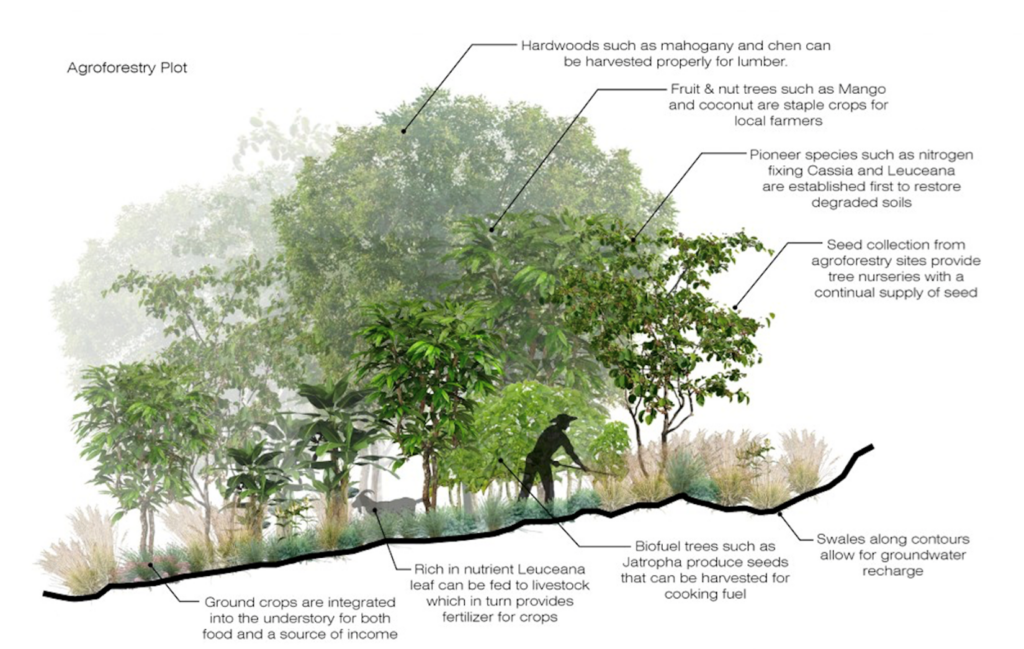
Agroforestry applies ecological design to real farms. By combining pepper with diverse trees, shrubs, and support crops, Watani turns vulnerable monoculture plots into living systems that can handle climate shocks, keep soils healthy, and spread risk for farming families.
Each layer in the system has a role: some species fix nitrogen, others provide shade or biomass, and others deliver food and income. Together they create more stable harvests and healthier landscapes on Bangka Island.
More resilient farms
Tree roots and canopy structure help farms cope better with both droughts and heavy rainfall, buffering extreme seasons.
Richer biodiversity
Mixed species protect soil carbon, water, and the genetic diversity of crops, while supporting natural enemies of pests.
More stable incomes
A mix of pepper, fruit, timber, and shade species spreads income over time and reduces exposure to single-commodity price swings.
Lower emissions footprint
Trees capture and store carbon while reduced reliance on synthetic inputs cuts fossil fuel use in the production system.
Demo plot design and impact
Designing white pepper agroforestry systems for Bangka Island.
The Watani demo plots are located on Bangka Island in Indonesia, a tropical wet–dry region with distinct wet and dry seasons and around 2,500 mm of annual rainfall. The plots sit on relatively flat coastal plains with Spodosol soils—acidic, leached soils that become productive only with careful management and the right species mix.
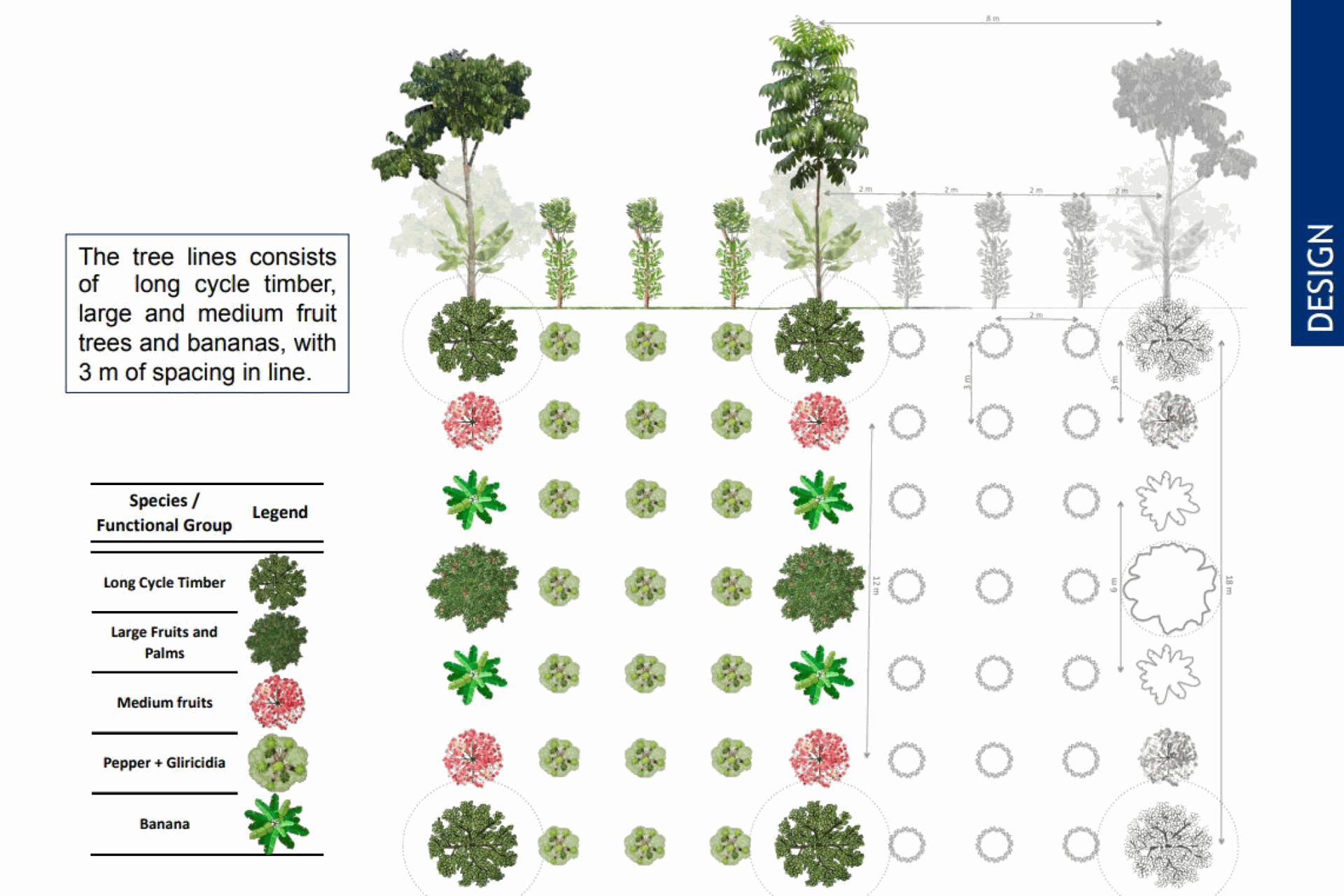
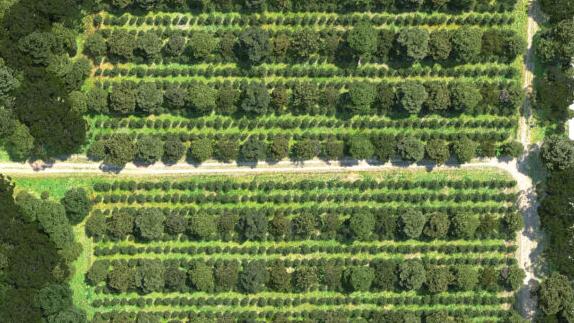
The design focuses on self-sustaining, organic white pepper agroforestry systems, where provisioning species supply biomass and nutrients instead of artificial fertilisers. System layouts combine pepper rows, support trees and fruit trees in carefully planned strata and successions.
480 tons CO₂ storage
Projected over the next 20 years
Hundreds of trees in the agroforestry plots store carbon as they grow. A detailed biomass growth curve is calculated based on the species mix and expected growth, allowing the team to monitor long-term CO₂ storage. The current estimate is around 480 tons of CO₂ sequestered over 20 years.
7 / 10 resilience score
Current resilience against extreme weather
Agroforestry systems cope better with both drought and excess rainfall than conventional monocultures. The Watani plots achieve an estimated resilience score of 7 out of 10, combining vegetation growth data with short- and long-term drought indicators based on rainfall patterns.
Achievements and training
Supporting farmers to design and manage their own agroforestry systems.
Through Watani we help farmers initiate their own agroforestry systems, whether by transforming existing conventional plots or establishing new ones. Together with partners, we have organised workshops, supported change makers, and provided seeds and support plants to make agroforestry a reality on Bangka Island.
- 8 change makers trained from 5 different countries.
- 4 workshops held to socialise and promote agroforestry in Bangka.
- 33 demo farms where local farmers design and implement their own systems.
- 13,000 pepper seedlings, 14,000 support plants, and 1,000 fruit seedlings distributed.
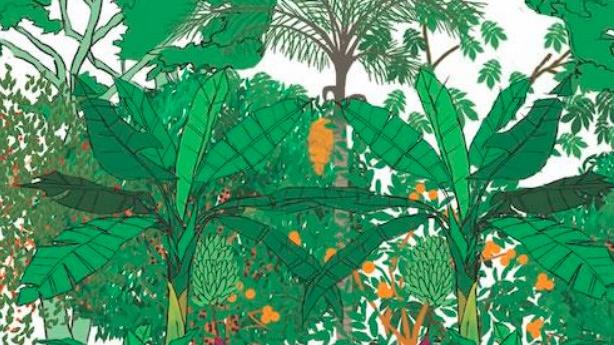
Keanekaragaman Tanaman dan Ekonomi Pola Wanatani
Learn about the characteristics of agroforestry systems and how diversity supports farm economics.
Desain Kebun Wanatani
A practical module on how farmers can design their own agroforestry plots step by step.
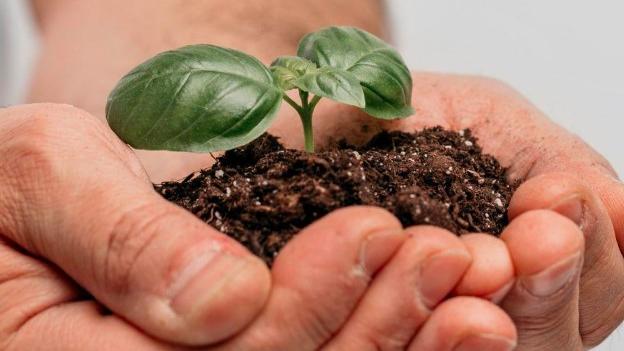
Watani in motion
A closer look at the agroforestry plots and farmer stories.
Project Partnership

Demo farms
Watani agroforestry demo plots on Bangka Island.
Drone photos
Aerial views of the Watani demo plots over time (chronological).
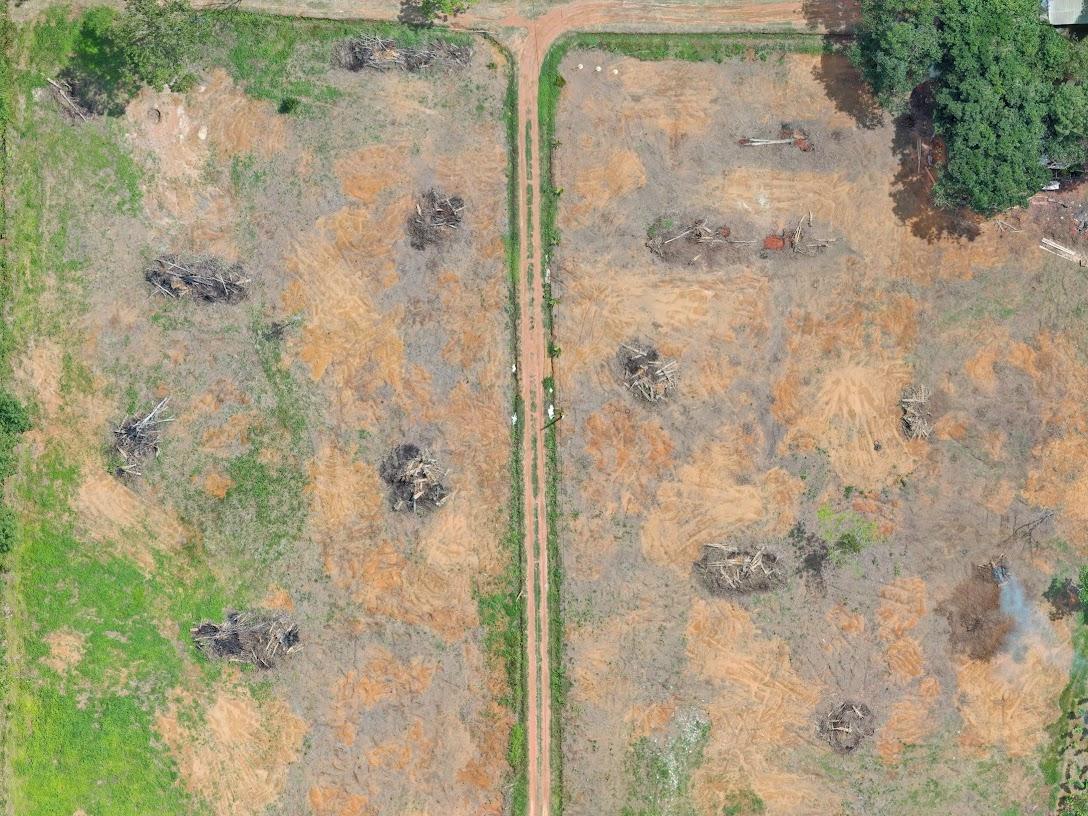
6 Jan 2019
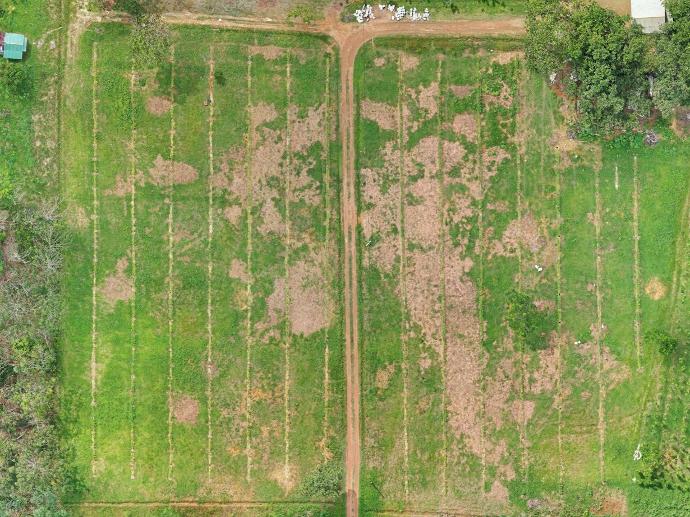
4 May 2019
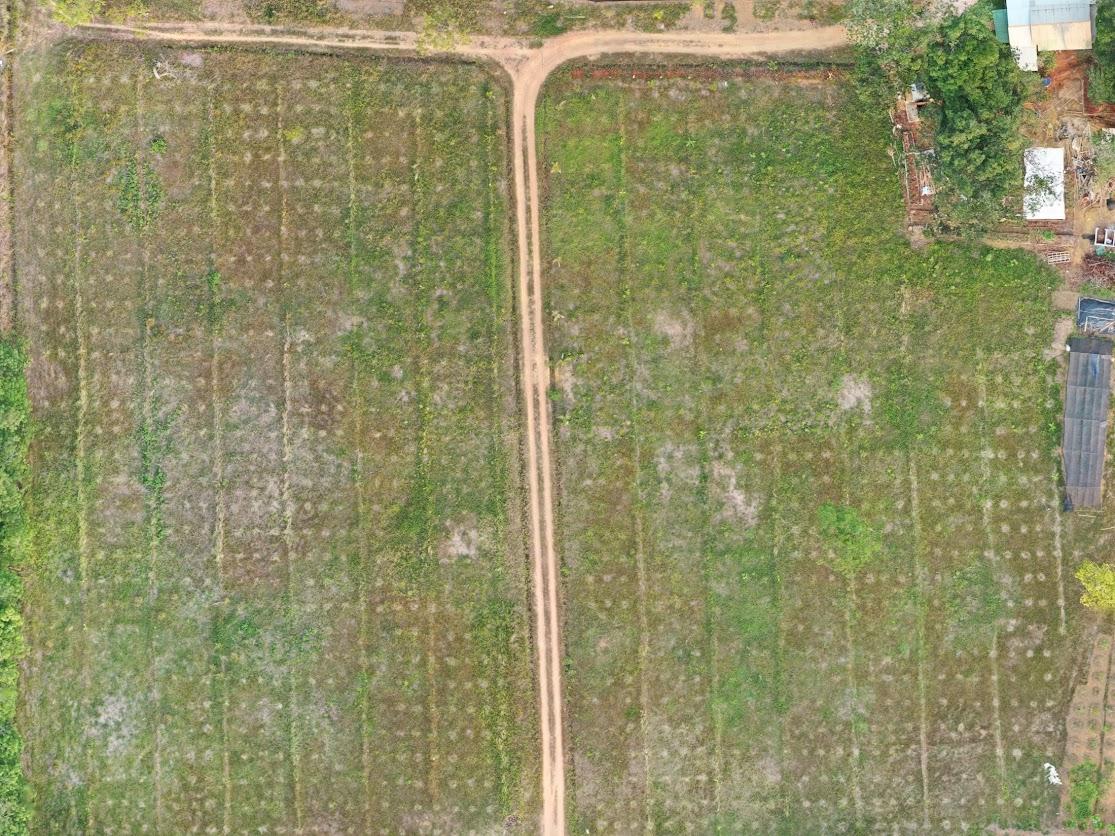
28 Oct 2019
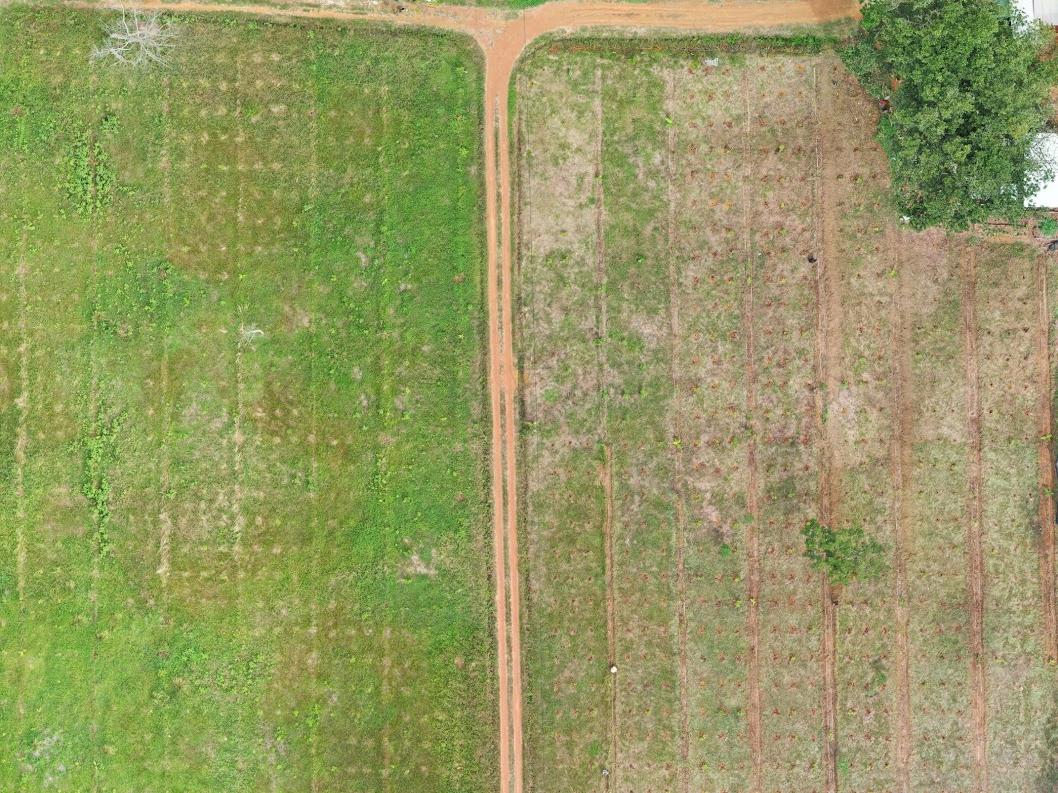
19 Nov 2019
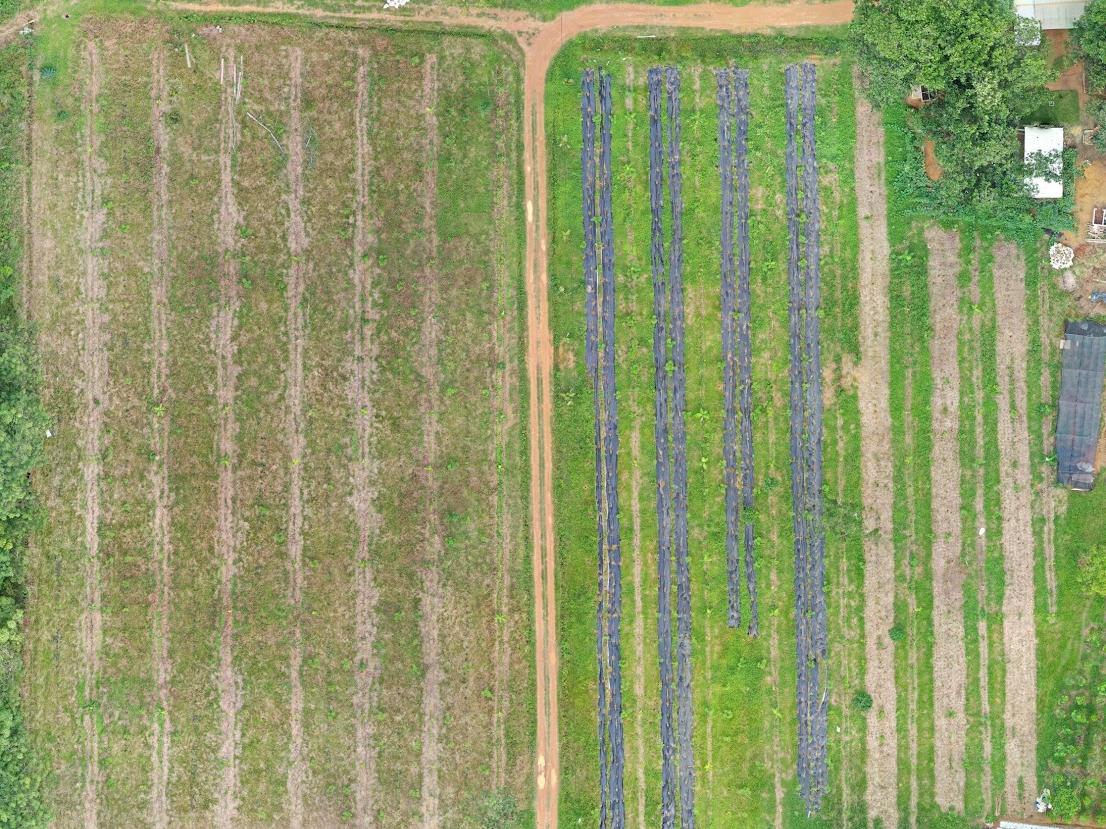
4 Jan 2020
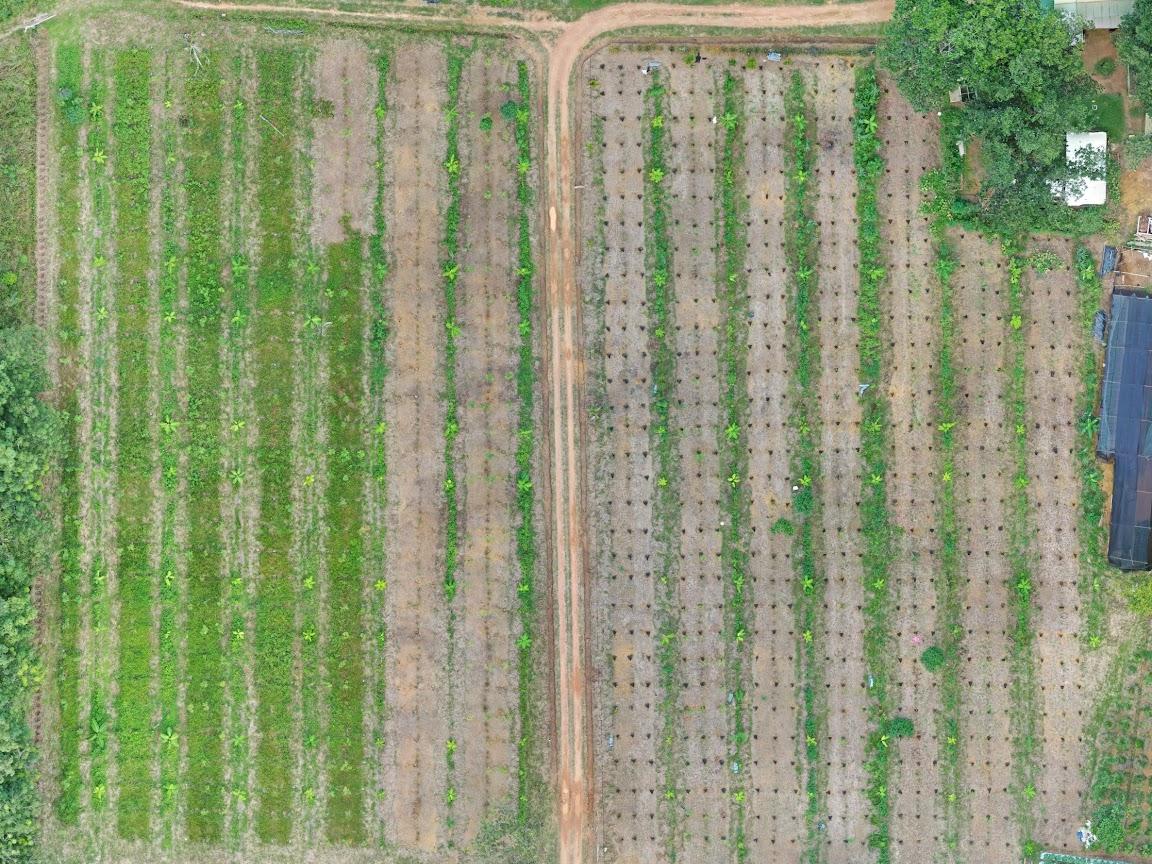
21 Feb 2020
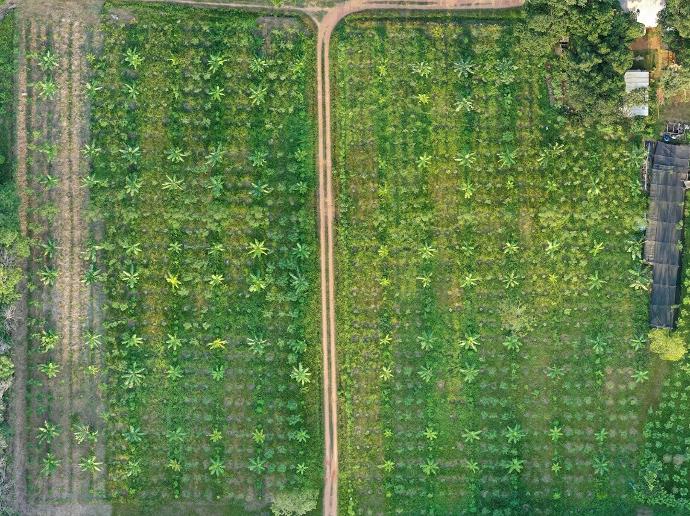
24 Sep 2020
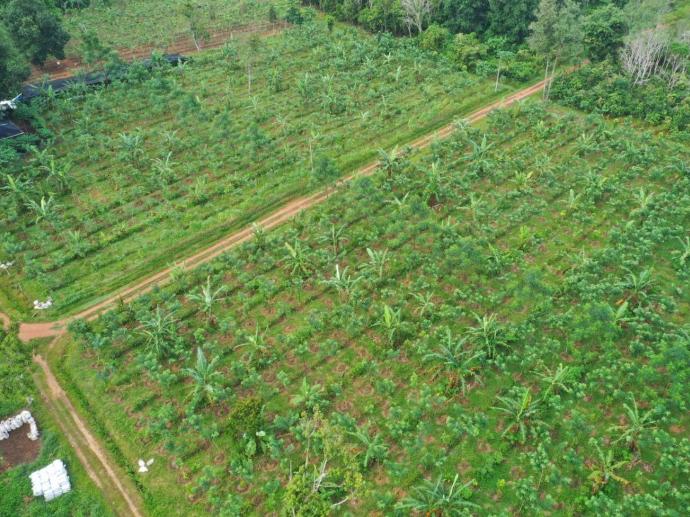
15 Feb 2021
6 Jan 2019
4 May 2019
28 Oct 2019
19 Nov 2019
4 Jan 2020
21 Feb 2020
24 Sep 2020
15 Feb 2021
Gallery
Explore other projects
See how our other initiatives support pepper farmers and sustainable supply chains.
Sustainable Production of Muntok White Pepper in West Bangka
Jan 2014 - Dec 2015
Focused on developing productivity and sustainable practices for Muntok White Pepper farmers in West Bangka. We trained 416 farmers across 16 training sessions, establishing the foundation for our community development approach. Partners: IDH, SSI, Cordaid, Hivos, Verstegen. This early project proved the viability of our direct farmer engagement model.
View projectImproving Bangka Pepper for EU Markets
Jan 2018 - Dec 2020
Building on our first project, we deepened farmer technical and economic competence to meet European market standards. We conducted 103 training sessions reaching 980 farmers and purchased 150 tons of compliant white pepper. This project established CAN as a reliable source for premium-quality pepper meeting international standards. Partners: GIZ, Verstegen.
View projectSPICEUP - Geodata for Agricultural and Water of Pepper Farmer
May 2018 - Apr 2022
SpiceUp provides satellite-based information services for pepper farmers in Indonesia, helping them manage irrigation, fertilizer use, and pests and diseases while increasing productivity and resilience to climate variability. SpiceUp targets two groups: pepper farmers and business-to-business (B2B) clients, and focuses on three locations in Lampung, Bangka Belitung, and Kalimantan. Of the reported 218,000 pepper farmers in these locations, SpiceUp aims to reach 100,000 farmers as information service subscribers within three years.
View projectAccess to Finance: Mitra Usaha Tani Nusantara
Aug 2021 - Nov 2022
Mitra Usaha Tani (MUTN) is a partnership program between pepper farmers and PT Cinquer Agro Nusantara (CAN) to produce high-quality pepper. Farmers receive advance payment as working capital for fertilizers and labour, and repay it through pepper sales to CAN in the 2022 harvest season. The program helps farmers overcome cash-flow constraints while maintaining quality and traceability.
View projectaGROWforests - Climate-Smart Agriculture
2023 - 2027 · Ongoing
Increasing the productivity of pepper smallholder farmers through climate-smart agriculture (CSA), by implementing agroforestry practices. Running from 2023 to 2027 across Bangka Belitung and Lampung.
View project